
Discover the best time for a Kilimanjaro bike tour, including dry and rainy seasons, trail conditions, weather, and tips for cycling around Mount Kilimanjaro.
Planning a Kilimanjaro bike tour is an exciting way to experience Tanzania from a completely different perspective. Instead of simply viewing Mount Kilimanjaro from a distance, cycling allows you to travel through rural villages, coffee-growing areas, forests, open farmland and scenic landscapes while experiencing the daily life of communities living around Africa’s highest mountain.
However, choosing the right time to visit can make a significant difference to your cycling experience. Weather, rainfall, trail conditions, visibility and temperatures all change throughout the year, and the best month for a relaxed day ride may not necessarily be the best month for a demanding multi-day cycling expedition.
So, what is the best time for a Kilimanjaro bike tour?
For most cyclists, the dry seasons from January to March and June to October offer the most reliable conditions. However, November and December can also be rewarding for travelers who don’t mind occasional rain and would prefer fewer tourists and greener scenery.
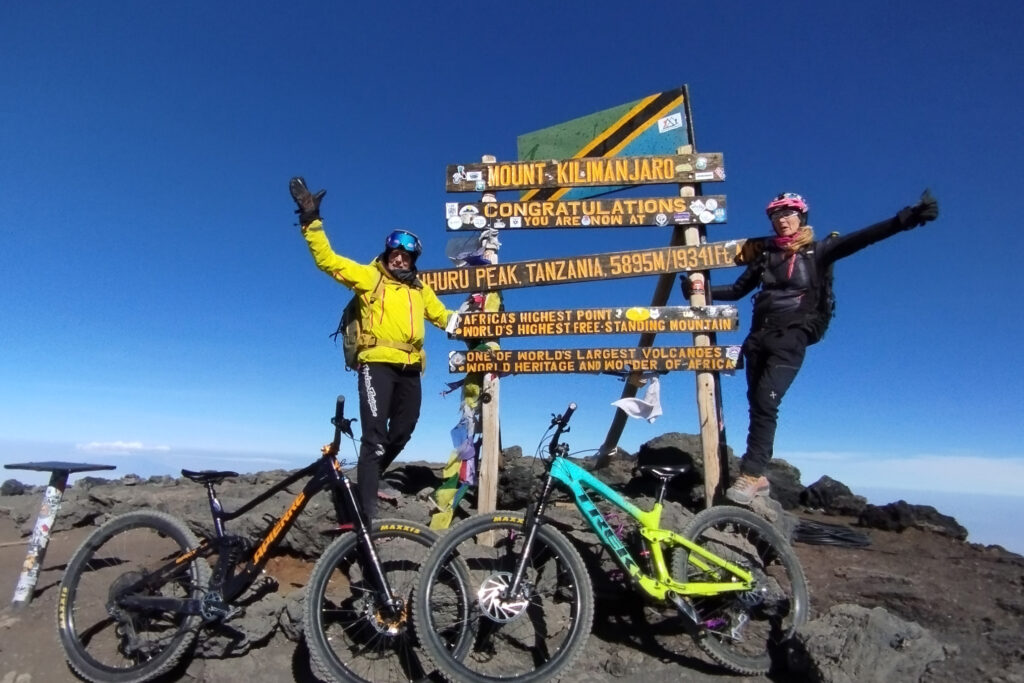
At Kili Bike Adventures, we can help you choose the right cycling experience according to the season, your fitness level and the type of adventure you want to have around Mount Kilimanjaro.
Understanding Kilimanjaro’s Cycling Seasons
The Kilimanjaro region generally experiences two dry seasons and two rainy periods. These seasons influence the condition of dirt roads, mountain trails and countryside routes.
It is important to remember that not every cycling route is affected in the same way. A short cycling excursion around Moshi can often operate during periods when a remote off-road route becomes muddy or difficult. Similarly, cycling at lower elevations is very different from attempting a high-altitude mountain bike expedition toward Uhuru Peak.
Understanding these seasonal differences can help you choose a tour that matches your expectations.
January to March: A Great Time for Kilimanjaro Cycling
January through March is one of the most attractive periods for a Kilimanjaro bike tour. Conditions are generally warm and relatively dry at lower elevations, while the mountain can provide spectacular views when skies are clear.
The countryside around Kilimanjaro can be particularly enjoyable during this period, with green agricultural landscapes, pleasant temperatures and good opportunities for photography.
This season is suitable for a variety of cycling experiences, including countryside rides around Moshi, Materuni Waterfalls cycling tours, Chemka Hot Springs excursions and longer cycling adventures around Mount Kilimanjaro.
For riders interested in combining cycling with cultural experiences, this can also be an excellent time to visit villages, farms and local communities around the mountain.
Why Ride Kilimanjaro Between January and March?
One of the major advantages of this period is the combination of generally favorable weather and beautiful scenery. Riders can enjoy long stretches of countryside without dealing with the persistent rainfall associated with the long rainy season.
The mountain can also be particularly impressive when viewed against clear skies, although visibility is never guaranteed because Kilimanjaro creates its own weather conditions.

June to October: The Most Reliable Cycling Season
If your priority is dry weather and dependable cycling conditions, June through October is generally the strongest period to consider.
This period coincides with Tanzania’s main dry season. Roads and trails are usually drier, making it easier to ride on dirt tracks and rural routes. The cooler temperatures can also make physically demanding rides more comfortable, particularly during the morning and at higher elevations.
For visitors combining a Kilimanjaro cycling adventure with a Tanzania safari, June to October is especially convenient because it is also a popular period for wildlife travel.
Why Choose June to October?
The main attraction is reliability. Rain is generally less frequent, trails are more accessible and there are good opportunities for mountain views.
Cyclists can enjoy everything from shorter recreational rides to challenging multi-day mountain biking experiences.
This period is particularly attractive to riders who want to spend several days in the saddle and would prefer to minimize the possibility of persistent rainfall disrupting their plans.
April and May: The Long Rainy Season
April and May are traditionally associated with Tanzania’s long rainy season.
This does not mean that cycling is impossible. In fact, the landscape can become exceptionally green and photogenic during the rains. However, cyclists should be prepared for wetter conditions and potentially muddy trails.
Some dirt roads and off-road sections can become significantly more challenging after heavy rainfall. Depending on the route and current weather conditions, a cycling operator may recommend modifying the itinerary or choosing an alternative route.
For experienced mountain bikers who enjoy technical terrain and changing conditions, riding during this period can provide a completely different type of adventure.
For first-time visitors looking for predictable weather and easier trail conditions, however, the dry seasons are generally a better choice.
November and December: The Short Rainy Season
November and December bring the short rains, which are generally less prolonged than the long rainy season.
This can be an interesting period for cyclists who want to experience Kilimanjaro away from the busiest travel periods. The rain can refresh the landscape, creating lush vegetation and beautiful scenery around the mountain.
Rain showers may occur, but they do not necessarily prevent cycling every day. Local weather conditions and the specific route play an important role in determining how enjoyable a ride will be.
For flexible travelers who value green landscapes, quieter trails and a more relaxed atmosphere, November and December can be a good option.
What Is the Best Month for a Kilimanjaro Bike Tour?
There is no single perfect month for every cyclist because the best time depends on the type of tour you want.
If you want the best balance of dry weather, comfortable temperatures and good trail conditions, the main dry seasons are usually the safest choice.
For shorter cycling excursions around Moshi, including cultural and waterfall rides, there is greater flexibility because these routes are generally at lower elevations and can often be adjusted according to weather conditions.
For demanding multi-day mountain biking expeditions, choosing a predominantly dry period becomes more important.
And if your dream is to cycle toward the summit of Mount Kilimanjaro, weather conditions become an even more important consideration.
Best Time for a Kilimanjaro Bike Summit Expedition
A Kilimanjaro bike summit expedition is very different from a normal cycling tour around the mountain.
Reaching Uhuru Peak by bicycle involves high altitude, steep terrain, low temperatures and rapidly changing mountain weather. The route can include sections where riders need to push or carry their bicycles rather than ride continuously.
For this reason, summit cycling attempts are generally planned during periods when mountain conditions are expected to be more favorable.
The dry seasons are usually preferred because they can provide better trail conditions and visibility. However, even during the dry season, weather on Kilimanjaro can change rapidly.
A successful summit expedition therefore depends on much more than simply choosing the right month. Proper acclimatization, physical preparation, experienced guides, appropriate equipment and careful decision-making are all essential.
Bike Tours Around Kilimanjaro vs. Summit Cycling
It is useful to distinguish between cycling around Mount Kilimanjaro and attempting to reach its summit by bicycle.
Cycling around Kilimanjaro can take you through villages, plantations, forests, farmland and scenic rural roads. These trips can be suitable for a wide range of fitness levels and can often be customized according to your interests.
A summit bike expedition is significantly more demanding. Altitude, steep terrain and extreme conditions at higher elevations make it an expedition rather than a conventional bike tour.
This distinction is important when choosing your travel dates. A month that works well for a countryside cycling tour may not necessarily provide the conditions you want for a high-altitude summit attempt.
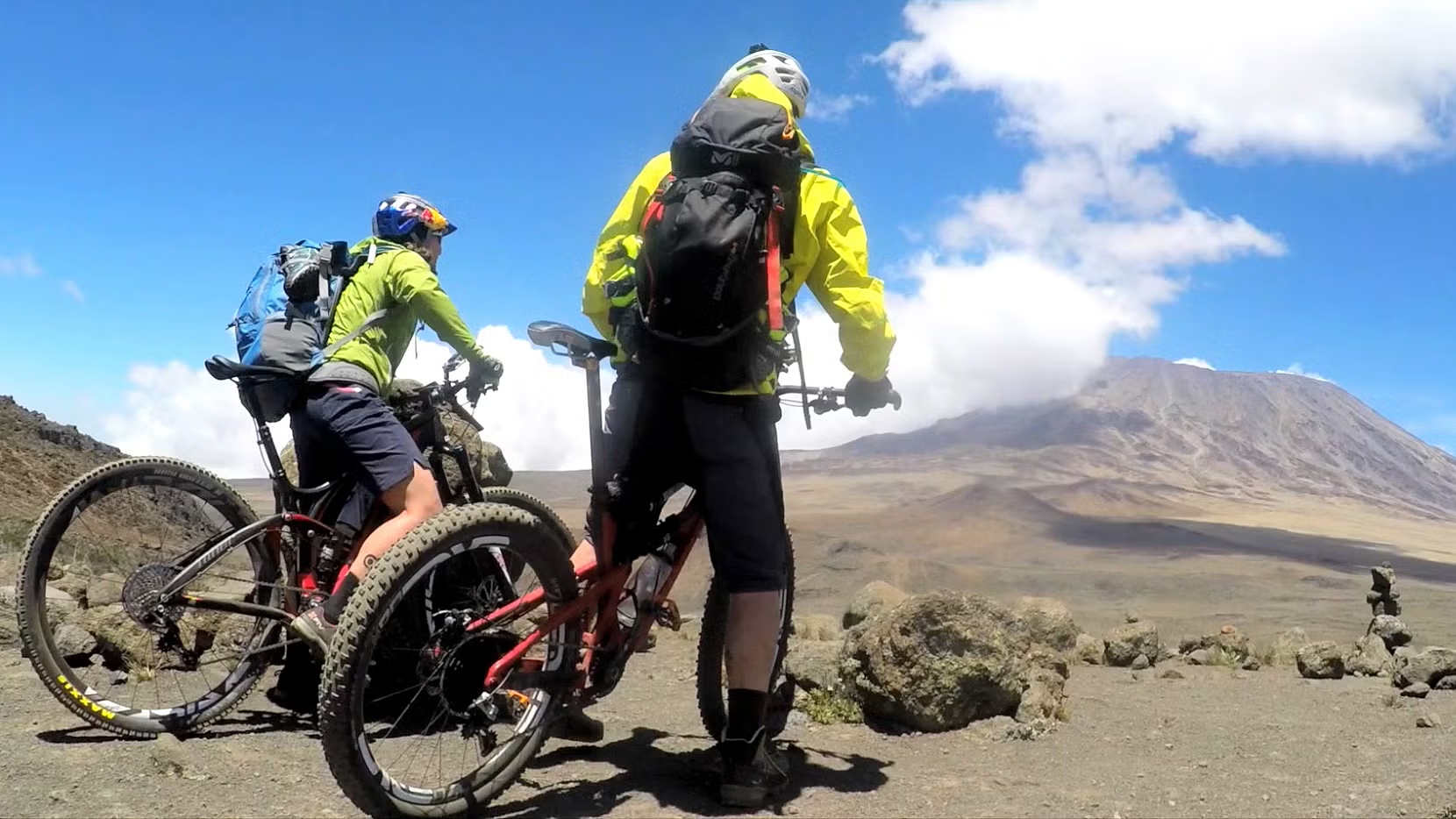
Cycling From Moshi: A Flexible Kilimanjaro Experience
Moshi is an excellent starting point for exploring the Kilimanjaro region by bicycle.
From the town, cyclists can access rural landscapes, coffee-growing areas, waterfalls, forests and communities located on the lower slopes of the mountain.
Shorter cycling experiences are particularly useful for travelers who are combining several activities in Tanzania. You could spend part of your trip cycling around Kilimanjaro before continuing to a Tanzania safari or traveling to Zanzibar for a beach holiday.
Popular cycling experiences in the area can include routes toward Materuni Waterfalls, Chemka Hot Springs, Rau Forest and surrounding villages, depending on your interests and current trail conditions.
Materuni Waterfalls Cycling Tour
A cycling trip to Materuni is a great way to combine outdoor adventure with cultural and natural experiences.
The journey can take you through rural landscapes and agricultural areas before reaching the Materuni area, known for its waterfalls and coffee-growing communities.
The route is particularly enjoyable when the countryside is green and the weather is favorable. During wetter periods, some sections may become more challenging, so route conditions should always be considered before departure.
Chemka Hot Springs by Bicycle
Cycling to Chemka Hot Springs provides another opportunity to combine exercise with relaxation.
The journey allows you to experience the countryside around Kilimanjaro before finishing at the warm waters of Chemka, where you can relax after your ride.
This type of experience works particularly well for travelers who don’t want an intensive multi-day cycling expedition but still want to explore Tanzania actively.
What Should You Pack for a Kilimanjaro Bike Tour?
Your packing list should depend on the route, duration and season of your cycling adventure.
Lightweight, breathable cycling clothing is useful for warm conditions, while a waterproof jacket is important during the rainy seasons. Even when temperatures are warm during the day, conditions can change, particularly during longer rides.
For multi-day or higher-altitude trips, warm layers become increasingly important.
A practical cycling setup should include comfortable cycling clothing, suitable footwear, gloves, sunglasses, sunscreen and sufficient hydration. A small daypack or hydration pack can also be useful for carrying personal essentials.
For longer expeditions, Kili Bike Adventures can provide guidance on the equipment required for the specific route.
How Weather Affects Kilimanjaro Cycling
Weather around Mount Kilimanjaro is influenced by altitude and local geography, so conditions can differ considerably between Moshi, the foothills and higher elevations.
A sunny morning does not necessarily guarantee clear conditions throughout the day. Clouds can gather around the mountain, while rainfall can occur in some areas and not others.
This is why experienced local guides are valuable. They understand the terrain and can make practical decisions based on current conditions rather than relying only on a seasonal forecast.

Tips for Choosing Your Cycling Date
When deciding when to take your Kilimanjaro bike tour, think about the experience you want rather than simply searching for one “perfect” month.
If dry trails and predictable weather are your priority, consider January to March or June to October.
If you enjoy lush landscapes and don’t mind the possibility of rain, November and December can offer a quieter and greener experience.
If you’re an experienced mountain biker who enjoys challenging terrain, the wetter months may also appeal to you, although route selection and weather flexibility become particularly important.
For summit cycling, prioritize the advice of your professional cycling and mountain team, as high-altitude conditions can be very different from those experienced on the lower slopes.
Plan Your Kilimanjaro Cycling Adventure With Kili Bike Adventures
A Kilimanjaro bike tour is more than simply riding a bicycle beneath Africa’s highest mountain. It is an opportunity to experience Tanzania’s landscapes, communities, farms, forests and mountain environment at a slower and more personal pace.
Whether you are looking for a short cycling tour from Moshi, a scenic ride to Materuni Waterfalls, an adventure to Chemka Hot Springs, a multi-day cycling expedition around Kilimanjaro or the ultimate challenge of a Kilimanjaro bike summit, choosing the right season can make your experience more enjoyable.
The dry seasons generally offer the most reliable conditions, but every season has something different to offer. With the right route, preparation and local guidance, your cycling adventure can be tailored to the experience you want.
Ready to explore Kilimanjaro on two wheels? Contact Kili Bike Adventures and start planning your cycling adventure in Tanzania.



