
Tanzania is a spectacular destination for cyclists, offering far more than the famous wildlife safaris and Mount Kilimanjaro. From quiet village roads and coffee plantations to forest trails, open savannah and challenging mountain terrain, cycling in Tanzania gives you the opportunity to experience the country at a slower, more personal pace.
For women travelers, a cycling adventure can be an especially rewarding way to explore Tanzania. You can meet local communities, discover landscapes that are difficult to experience from a safari vehicle, enjoy active outdoor experiences and create meaningful memories along the way.
Whether you are planning a relaxed Moshi bike tour, a cycling adventure around Mount Kilimanjaro, a wildlife cycling experience in West Kilimanjaro or a more demanding multi-day mountain biking expedition, a little preparation can make your journey more comfortable and enjoyable.
At Kili Bike Adventures, we welcome women of different cycling backgrounds and fitness levels and can help match each rider with an experience that suits her interests and abilities.
Why Choose a Cycling Adventure in Tanzania?
Cycling allows you to experience Tanzania differently.
Instead of traveling quickly from one attraction to another, you have time to appreciate the details around you. You can hear birds in the forest, smell coffee being grown and prepared, watch farmers working in their fields, greet people in villages and stop whenever a beautiful landscape catches your attention.
Around Mount Kilimanjaro, cycling can take you through a remarkable variety of environments. A single adventure may include rural villages, banana and coffee plantations, forested areas and spectacular views of the mountain.
For women who enjoy active travel, this combination of nature, culture, adventure and exercise makes Tanzania an exciting cycling destination.
1. Choose a Cycling Route That Matches Your Experience
One of the most important things to consider is the difficulty of your cycling route.
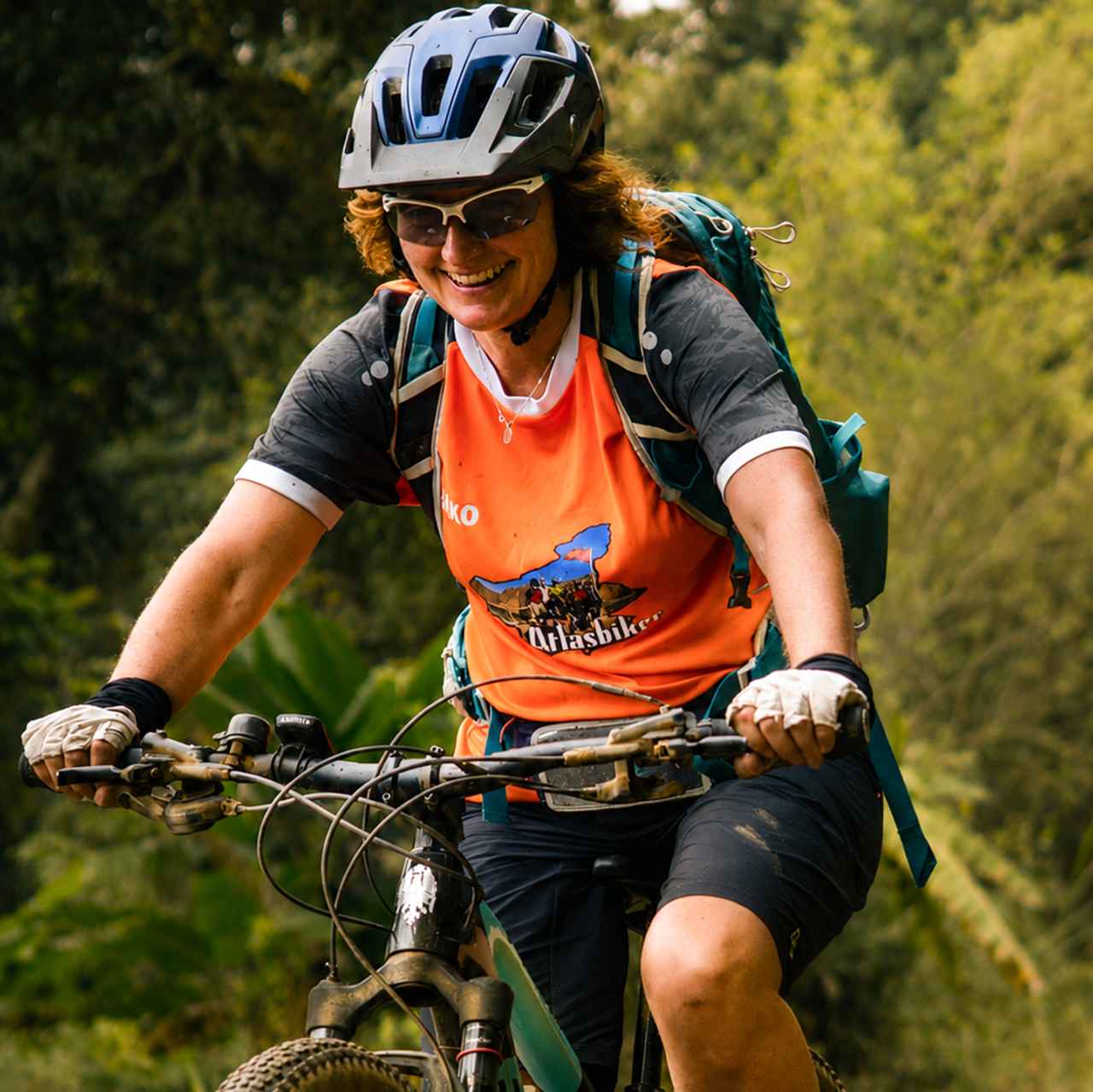
You don’t need to be an experienced mountain biker to enjoy Tanzania by bicycle. There are gentle routes around Moshi that are suitable for beginners, families and travelers who simply want to enjoy the scenery.
More experienced cyclists can choose longer and more challenging routes involving rough terrain, steep climbs or greater distances.
For example, a relaxed ride through the countryside is very different from a demanding Kilimanjaro mountain biking expedition or a high-altitude cycling adventure toward the Shira Plateau.
Be honest about your cycling experience and fitness level when choosing your tour. A good local operator can recommend a route that challenges you without making the experience unnecessarily difficult.
2. Don’t Underestimate the Tanzanian Sun
The African sun can be intense, particularly when you are spending several hours outdoors on a bicycle.
Even when temperatures don’t feel extremely hot, prolonged exposure to the sun can lead to dehydration, sunburn and fatigue.
Wear comfortable cycling clothing that provides appropriate protection and use sunscreen on exposed skin. Sunglasses are also useful for protecting your eyes from strong sunlight, dust and wind.
A lightweight hat or suitable head covering can be useful during rest stops, although your helmet should always be worn correctly while cycling.
3. Stay Hydrated Throughout Your Ride
Hydration is essential when cycling in Tanzania.
Long rides, warm temperatures and physical exertion can cause you to lose fluids quickly. Don’t wait until you feel extremely thirsty before drinking.
Carry sufficient drinking water and use a hydration pack or easily accessible water bottle system for longer rides.
Your guide should also explain the water arrangements for your particular route, especially when traveling away from towns and populated areas.
For multi-day cycling adventures, hydration planning becomes even more important.
4. Wear Comfortable and Practical Cycling Clothing
What you wear can make a significant difference to your comfort.
Choose breathable cycling clothing that allows you to move freely and dries reasonably quickly. Padded cycling shorts can be particularly helpful on longer rides.
For women who prefer additional coverage, lightweight long cycling trousers or leggings can be a comfortable option.
It is also worth considering the local environment and culture. When cycling through villages and communities, modest and practical clothing is generally appreciated.
Your clothing should ultimately allow you to feel comfortable, confident and appropriately dressed throughout the journey.
5. Bring a Light Rain Jacket
Tanzania’s weather can change, particularly around Mount Kilimanjaro.
Even during generally dry periods, short rain showers can occur, and conditions can be quite different at higher elevations.
A lightweight waterproof or rain-resistant jacket takes up little space and can be extremely useful.
For multi-day cycling adventures, it is also wise to protect important personal belongings, electronics and spare clothing from rain and dust using waterproof bags or dry bags.
6. Protect Yourself From Dust and Changing Trail Conditions
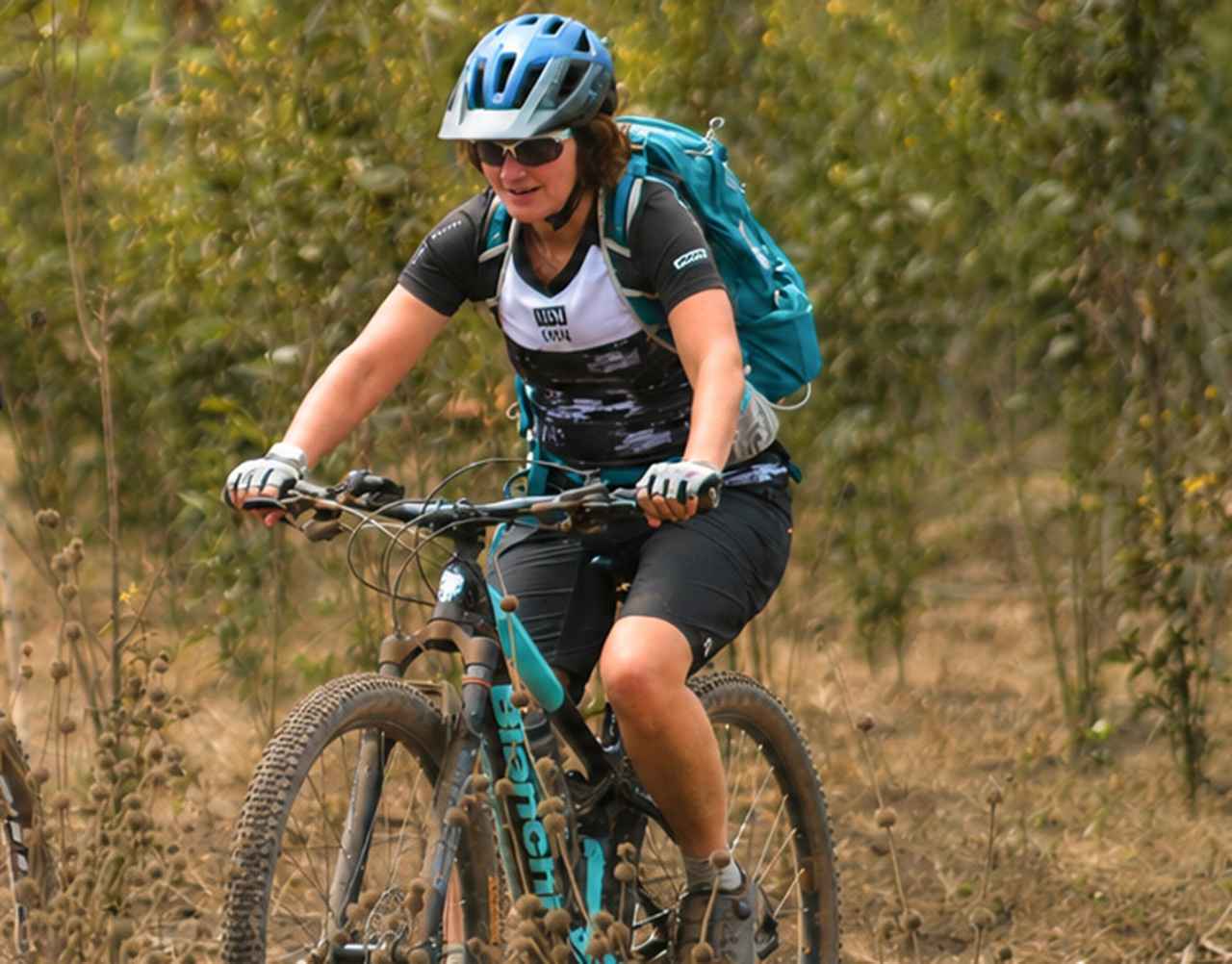
Many cycling adventures around Kilimanjaro use a mixture of paved roads, dirt tracks, village roads and off-road trails.
Dry conditions can create dust, while rain can turn some dirt roads into muddy or slippery sections.
A buff or lightweight neck gaiter can be useful on dusty roads, while gloves can improve grip and protect your hands during longer rides.
Your guide should also select or adjust routes according to current weather and trail conditions.
7. Consider Your Fitness Before a Multi-Day Cycling Tour
You don’t have to be a professional cyclist to enjoy a Tanzania cycling tour, but you should understand the physical demands of your chosen adventure.
If you are planning a multi-day ride, start preparing several weeks in advance. Regular cycling is one of the best ways to build endurance, but walking, hiking and other cardiovascular activities can also help.
Practice riding on different surfaces if possible. Road cycling fitness does not always translate directly to mountain biking, where balance, climbing ability and handling rough terrain become important.
Most importantly, communicate honestly with your cycling guide. Your safety and enjoyment are more important than trying to prove how far you can ride.
8. Don’t Be Afraid to Take Breaks
A cycling adventure isn’t a race.
One of the greatest advantages of cycling around Kilimanjaro is the opportunity to slow down and appreciate the surroundings.
Take breaks when you need them. Use rest stops to drink water, take photographs, enjoy the scenery and learn more about the communities you are visiting.
A good cycling experience should leave you with wonderful memories—not simply an impressive distance on your cycling computer.
9. Respect Local Culture and Communities
Many cycling routes around Kilimanjaro pass directly through villages and rural communities.
You may see people working on farms, children walking to school, local markets and traditional homes. These encounters are part of what makes cycling in Tanzania so special.
Always respect local customs and ask permission before photographing people, particularly children.
Dress respectfully when visiting villages and cultural sites, and follow your guide’s advice about appropriate behavior.
Traveling respectfully helps create positive interactions between visitors and local communities.
10. Cycling With a Local Guide Can Make a Big Difference
For women traveling independently, having an experienced local cycling guide can provide additional confidence and practical support.
A knowledgeable guide understands the routes, local communities, weather conditions and potential challenges along the way. They can help with navigation, mechanical problems, communication and route adjustments.
More importantly, a local guide provides valuable insight into the places you are visiting.
At Kili Bike Adventures, our guides don’t simply show you where to ride. They help you understand the landscapes, communities and culture that make the Kilimanjaro region unique.
11. Carry a Small Personal Essentials Kit
For a day ride, keep your personal luggage light.
Useful items can include sunscreen, sunglasses, drinking water, personal medication, tissues, a small amount of local currency, a phone or camera and a lightweight rain jacket.
For longer rides, your operator should provide a more detailed packing list based on the route.
Avoid carrying unnecessary valuables while cycling. The less you have to worry about, the more you can enjoy the adventure.
12. Choose the Right Bicycle and Safety Equipment
The right bicycle can transform your cycling experience.
Mountain bikes are generally appropriate for many of the dirt roads and trails around Kilimanjaro, but the ideal bicycle depends on the route, terrain and distance.
Before starting your ride, make sure your bicycle is properly adjusted to your height and riding position. Check the brakes, gears, tires and saddle.
A properly fitted helmet is essential, and additional safety equipment may be recommended depending on the route.
At Kili Bike Adventures, we pay attention to the equipment and preparation required for each cycling experience so that riders can focus on enjoying the journey.
13. Know Your Limits at High Altitude
If your cycling adventure involves significant elevation gain, altitude needs to be taken seriously.
A normal bike ride around Moshi is very different from cycling at elevations above 3,000 metres.
At higher altitudes, the air contains less available oxygen, and riders may experience fatigue or symptoms associated with altitude exposure.
High-altitude cycling should therefore be approached gradually and responsibly. Proper acclimatization, experienced guides and careful monitoring of how you feel are important.
If you feel unwell at altitude, tell your guide immediately.
14. Choose the Best Time for Your Cycling Adventure
Tanzania can be explored by bicycle throughout much of the year, but seasonal weather should influence your choice.
The dry periods generally provide more predictable conditions and firmer trails, making them popular for mountain biking and multi-day cycling adventures.
The rainy seasons can bring greener landscapes and fewer visitors, although some off-road routes may become muddy or more challenging.
For women planning their first cycling adventure in Tanzania, a period with more predictable weather can make the experience easier and more comfortable.
15. Combine Cycling With Other Tanzania Experiences
One of the best things about a Kilimanjaro bike adventure is that it can easily become part of a larger Tanzania itinerary.
You could begin with a cycling tour around Moshi, climb Mount Kilimanjaro, continue to a wildlife safari or finish your holiday on the beaches of Zanzibar.
Cycling can also be a great activity before or after a safari. After spending several days sitting in a safari vehicle, getting back on a bicycle and exploring the countryside can provide a refreshing change of pace.
Best Cycling Experiences for Women in the Kilimanjaro Region
There are many different ways to experience the area by bicycle.
Materuni Waterfalls and Coffee Cycling is ideal for combining cycling with nature and local culture.
Chemka Hot Springs Cycling offers an active adventure followed by time to relax in the warm natural waters.
Rau Forest Cycling provides a more relaxed experience close to Moshi, with opportunities to enjoy nature and wildlife.
West Kilimanjaro Wildlife Cycling is designed for adventurous riders who want to experience open landscapes and wildlife from a bicycle.
Shira Plateau Cycling offers a much more challenging high-altitude experience for experienced cyclists looking for spectacular mountain scenery.
The best option depends on your cycling experience, available time and personal interests.
Is Tanzania Safe for Women Cyclists?
Tanzania welcomes many international visitors, including women traveling independently and participating in outdoor activities.
As with any destination, sensible travel practices are important. Stay aware of your surroundings, follow your guide’s instructions, respect local customs and avoid taking unnecessary risks.
For cycling in rural and wildlife areas, using an experienced local operator is particularly valuable because guides understand the local environment and can help manage situations that visitors may not be familiar with.
Safety should always come before completing a particular distance, reaching a particular viewpoint or sticking rigidly to an itinerary.
Why Women Choose Kili Bike Adventures
At Kili Bike Adventures, we understand that every cyclist is different.
Some women join us because they want a gentle introduction to mountain biking. Others are experienced riders searching for a serious physical challenge. Some are traveling with friends or family, while others want to experience Tanzania independently.
Our goal is to create cycling experiences where you can enjoy the adventure while feeling supported throughout the journey.
From choosing an appropriate route and preparing the bicycle to providing local guidance and logistical support, we focus on making your cycling experience enjoyable, comfortable and memorable.
Start Your Women’s Cycling Adventure in Tanzania
Cycling through Tanzania is an opportunity to see the country beyond the usual tourist routes.
For women travelers, it can be an empowering and rewarding way to explore—one that combines physical activity with culture, nature, community and adventure.
Whether you want to cycle through Kilimanjaro’s coffee-growing villages, discover Materuni Waterfalls, relax at Chemka Hot Springs, explore Rau Forest, experience wildlife in West Kilimanjaro or challenge yourself on a high-altitude mountain biking adventure, Tanzania has something to offer.
You don’t need to be an elite cyclist. You simply need a sense of adventure, the right preparation and a desire to experience Tanzania from a different perspective.
Ready to discover Tanzania on two wheels? Join Kili Bike Adventures and create your own unforgettable cycling experience around Mount Kilimanjaro.